


Stop Mixing Up These Hydraulic Issues
You might think bubbles in your hydraulic fluid always mean the same thing. They do not. Aeration and cavitation both introduce gas into your system but they start for different reasons. One draws air in from the outside while the other creates gas from within the fluid itself. You must identify the correct cause to prevent total pump failure.
Why Air Bubbles Kill Efficiency
Air compresses easily but hydraulic fluid does not. When air enters your lines, your controls feel soft and your cylinders move unevenly. You lose the precision you need for heavy lifting or fine adjustments.
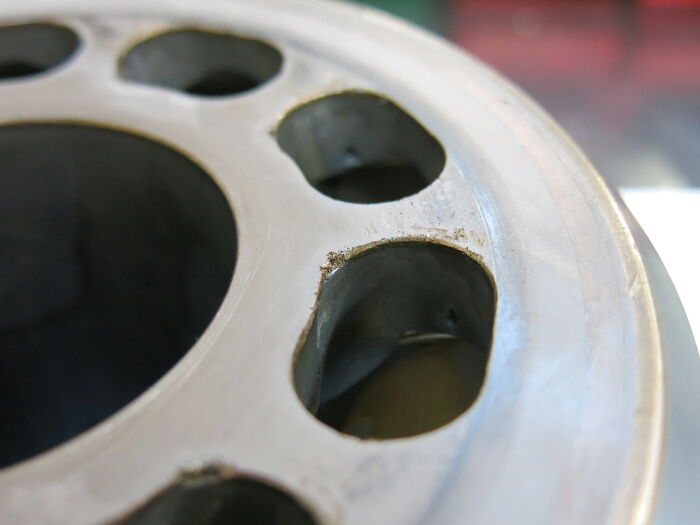
The Financial Cost of Fluid Bubbles
According to 2024 industry reports, fluid contamination causes up to 80 percent of hydraulic system failures. Repairing a pump damaged by gas bubbles costs thousands of dollars in both parts and labour, on top of idle machine losses.
How Aeration Traps Outside Air
Aeration happens when air from the atmosphere enters your hydraulic fluid. This usually occurs on the suction side of the pump or in the reservoir. You will see foam on top of the fluid or a cloudy appearance in the sight glass.
Common Entry Points for Air
Air leaks into your system through loose fittings or damaged shaft seals. If your fluid level drops too low, the pump intake sucks in air along with the fluid. You must check your fluid levels weekly to avoid this mistake.
The Effect of Aeration on Heat
Aeration increases the temperature of your fluid rapidly. As the pump compresses the air bubbles, they generate intense heat. This heat thins your fluid and destroys its ability to lubricate moving parts.
Understanding the Physics of Cavitation
Cavitation occurs when the pressure of the hydraulic fluid drops below its vapor pressure. This causes the liquid to boil at room temperature and form vapor bubbles. When these bubbles move to a high pressure zone, they collapse violently.
Suction Side Restrictions
A dirty suction filter is the primary cause of cavitation. When the pump cannot pull enough fluid through a clogged strainer, the pressure drops and bubbles form. You create a vacuum that rips the fluid apart.
The Sound of Destruction
You can hear cavitation before you see the damage. It sounds like someone poured marbles or gravel into your pump. This noise signals that millions of tiny vapor bubbles are exploding against your internal metal surfaces.
Key Differences Between Aeration and Cavitation
Aeration involves air from the outside while cavitation involves vapor from the inside. Aeration makes the pump sound like a high pitched whine. Cavitation makes the pump sound like it is grinding rocks.
Visual Differences in the Fluid
Aerated fluid looks milky or foamy because the air remains trapped in the fluid. Cavitation bubbles usually disappear the moment they reach the high pressure side of the loop. You rarely see the bubbles from cavitation in the reservoir.
Impact on Metal Components
Cavitation causes physical pitting on the pump's metal plates and gears. These microscopic explosions tear away small chunks of steel over time. "Cavitation is like a thousand tiny jackhammers hitting your pump components every second," says hydraulic engineer Robert Miller.
How to Fix and Prevent These Problems
You can solve aeration by tightening your intake fittings and replacing worn seals. Ensure your return line stays submerged below the fluid level in the reservoir. This prevents the fluid from splashing and creating foam.
Cleaning Your Suction Strainers
Check your suction filters every month for debris. A clean filter allows the pump to draw fluid without creating a vacuum. Use a vacuum gauge on the pump inlet to monitor pressure levels during operation.
Choosing the Right Hydraulic Fluid
Use fluid with high quality anti foam additives. These chemicals help air bubbles rise to the surface and escape more quickly. Recent 2025 data shows that premium fluids with air release agents extend pump life by 30 percent. FPD supplies high quality hydraulic fluids for use in your systems. We stock TotalEnergies AF and ZS series fluid. The ZS is a standard high-performance anti-wear hydraulic oil with good anti-foam and air release properties. The AF series is Zinc-free and heavy metal-free anti-wear hydraulic oil featuring rapid air release which is also low foaming.
We also repair / rebuild hydraulic pumps and motors that may have experienced aeration / cavitation damage. FPD carries a broad range of replacement hydraulic pumps and motors in stock.
Aeration & Cavitation FAQ
Can aeration cause cavitation?
No. They are separate physical processes. Aeration introduces external air while cavitation creates internal vapor. However, both can happen at the same time if your system is poorly maintained.
Does cavitation always make noise?
Yes. The collapse of vapor bubbles creates distinct shockwaves. If your pump is silent, you likely do not have a cavitation problem.
How do I tell if my oil is aerated?
Look at the oil in your reservoir. If it looks like a latte or has a thick layer of foam on top, you have aeration.
Will changing the fluid fix cavitation?
Only if the fluid is the wrong viscosity. Most cavitation issues require you to clean filters or fix a restricted suction line.
Is aeration dangerous?
It is dangerous for your equipment as it leads to overheating, sluggish response and eventual component failure.
How do I know which one is happening?
Listen to the noise: A steady, high-pitched whine or gravel sound points to cavitation. An erratic, loud banging or knocking sound with a gurgle points to aeration.
Check the reservoir: If the oil looks clear or normal while the pump screams, suspect cavitation. If the oil looks milky, frothy, or full of foam, suspect aeration.